Adolescence is a delicate and also a critical time of life. Childhood is left behind and the young person is headed towards adulthood, but not quite yet sure of where they belong. This happens at a time when many of us have preconceived ideas about adolescents and what they are capable of. What they really need is an opportunity to prove themselves and prepare for adulthood.
Human development is a continuum, where the different stages of life need their own approach in order to best serve the development of the individual. Through knowing the adolescent, we are able to offer what is psychologically right for them, drawing on their psychological strengths. Dr Montessori understood the importance of collaborating with the nature (the inner teacher) of the individual and thus offers us an approach where the learning can be individualised through study and work plans that are relevant to the adolescent, and which will help them realise their potentialities and possibilities.
The environment Montessori had in mind for this to happen is a residential environment on the land, where the adolescents would further grow in independence, participate in the workings of society, experiencing adult work through studying and living together. They would become aware of the importance of collaboration and be given an opportunity to contribute, seeing that they can make a difference.
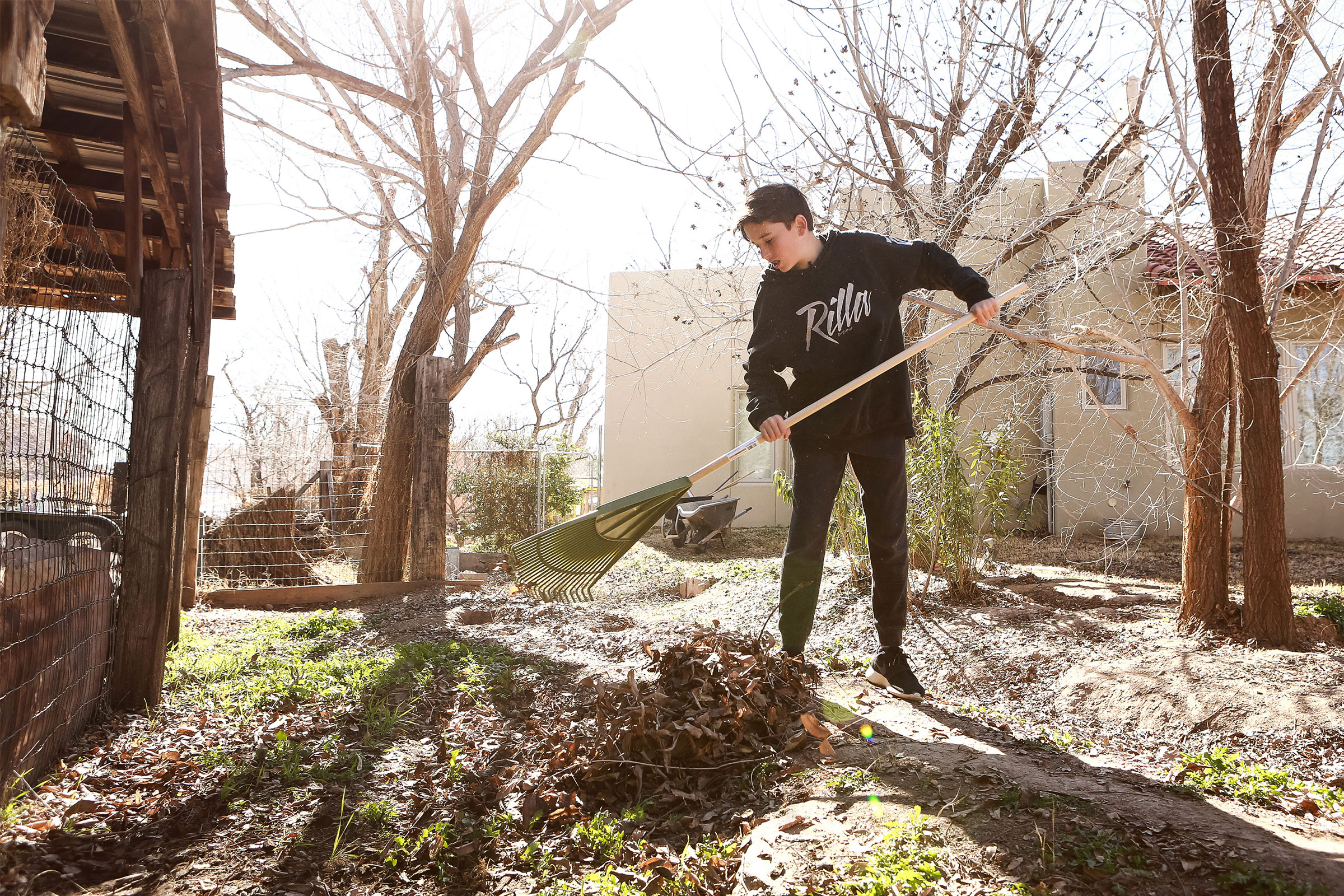
Agriculture is the work of humans and thus it is the environment the adolescents need to face in order to understand human work and how civilisation is built. The farm and the land is the place where nature meets what Montessori calls supernature, the manmade environment built upon the natural environment. The adolescents will one day be part of this work and environment and for this they need practice. The farm is a suitable environment since it offers an ongoing reality, which is very different from isolated projects in a traditional classroom. The work on the land, Montessori says, is an introduction both to nature and civilisation, and gives a limitless field for scientific and historic studies. The work comes out of the environment and coupled with studies it provides the experiences and knowledge necessary for life. Being on the land and experiencing nature in a sustainable way allows the adolescents to form a relationship with nature on which our future depends.
This is a time in life when the adolescents are strong and should be doing things with their hands as well as with their mind. To study life is not enough, life has to be lived as well. To work together with others for a common purpose is necessary in order to experience the power of the group and what can be achieved when collaborating in harmony. The purpose keeps them motivated and provides the energy that will help them feel that their contribution will make a difference.
The goal is no longer to look for an individual place in life. The goal is to be strong enough for life, for the mission to overcome obstacles, to acquire more ability than already given by nature in order to be able to enter society as a fully functioning independent adult. Education must not only foster the development of the individual, but also that of society. Thus, the adolescents need to study, work and live together in an environment that allows them to have adult experiences and responsibilities, facing true social life. Living together in a residential setting offers an ongoing reality, where one of the realities has to do with earning one’s living, entering the world of production and exchange, which provides work in a wider social sense, and places the adolescents in contact with every aspect of social life and a functioning society. The work underpins both social and moral development.
The adolescents deal with reality in more ways than one. Not only do they practice the reality of adult work, but they also experience a reality check, finding out what they are capable of. Work and independence are important aspects of the Montessori approach. The opportunity to solve real life problems, not just problems out of a textbook, make the adolescents aware of what is needed to maintain a respectful community. Not only will they be set on the road to economic and social independence, but they will also be faced with the joy and satisfaction of work well done, work for the good of all in the community. It feeds their sense of justice. Every member of the community will find their place. This comes at a time when the personal dignity of the adolescent needs to be enhanced and valued.
Thus, the adolescents get to not only study life but are also given the opportunity to live life through their community and its social organisation. Both are important for the adolescents in order for them to get to know the past and examine it through practical life and study, which will in turn help them understand the present and thus allow them to explore and imagine the future.
Through collective awareness and wisdom, the adolescents see that they are able to share their knowledge and influence their environment and community life. It really gives them confidence. Hopefully they will take this with them as they move on in life, the value of sharing and this idea that when you collaborate great things can happen. Many more people would probably work for the common good if they believed that changes were possible and their efforts mattered. Offering adolescents the opportunity to learn to live together in harmony and with respect gives us hope. It assures us that there is this possibility of being able to live peacefully together and do good work.
To implement Dr Montessori's vision may not be possible right now and we will have to wait for that opportunity to knock on our door. Meanwhile, we can do our best to identify the essential elements and key experiences that have to be there for the adolescents in order to support their development and help them form a sound and firm base on which to stand when they go out into the unprepared environment. This so that they can, as Montessori says, enter society as nature has intended for them, going forward with head held high and a competent step.
Jenny Marie Höglund, AMI 12–18 and 6–12 Trainer