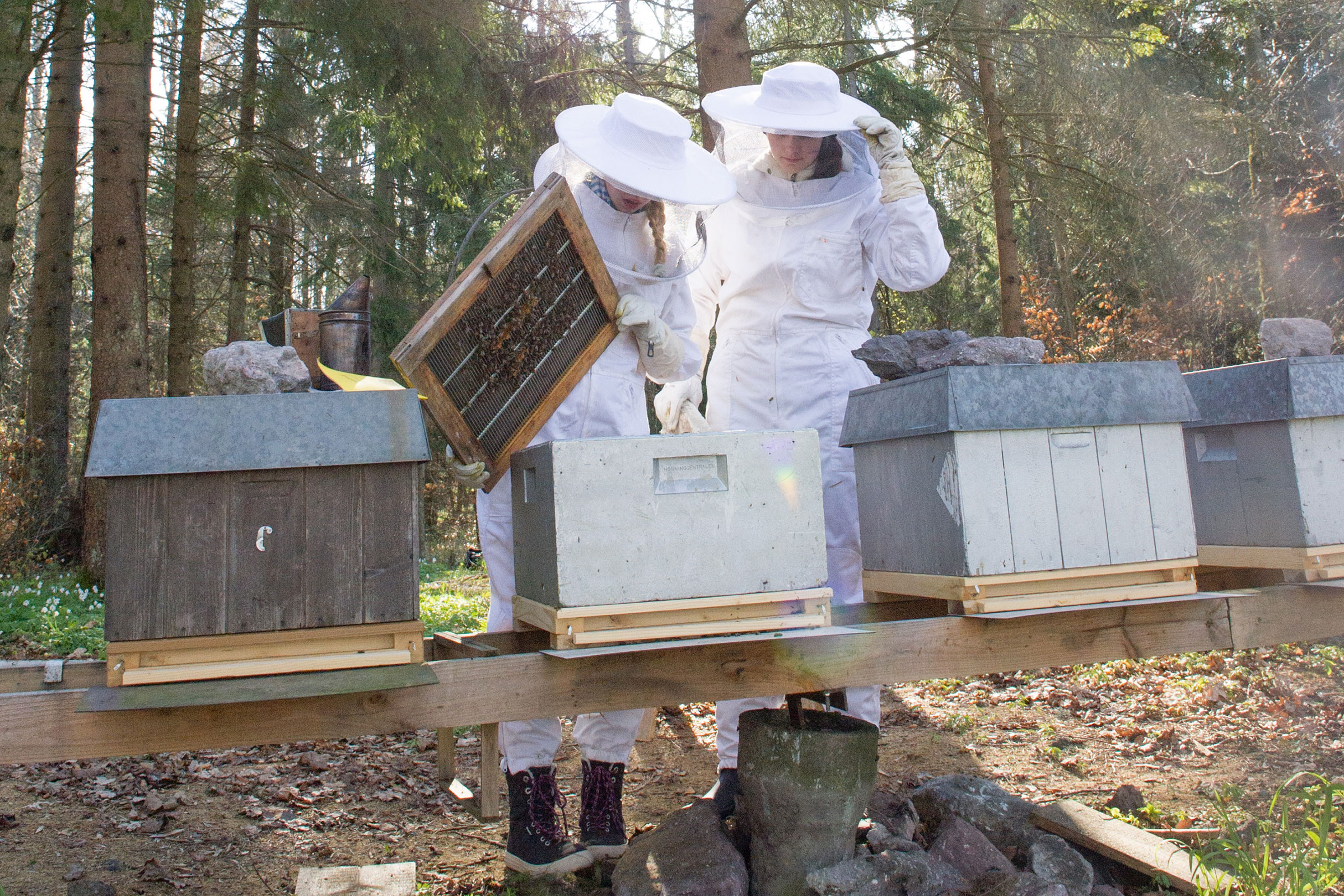
“When children come into contact with nature, they reveal their strength…” (Montessori, Discovery of the Child, p. 70).
Maria Montessori recognised the profound role of nature in a child’s holistic development, viewing the outdoor environment as an essential extension of the classroom. She believed that children’s innate connection to nature fosters curiosity, peace, and a sense of wonder, offering unique opportunities for growth and discovery.
As Montessori eloquently expressed:
“There is no description, no image in any book that is capable of replacing the sight of real trees, and all the life to be found around them, in a real forest... The wood reveals that it is not only the trees that exist, but a whole, interrelated collection of lives.” (Montessori, From Childhood to Adolescence, p. 19).
For Montessori, outdoor environments transcend physical exercise, providing a dynamic space where children develop emotionally, intellectually, and spiritually. By observing natural processes - plants growing, insects working, or the interplay between animals and their ecosystems - children cultivate patience, a sense of time, and an understanding of interconnectedness. These experiences complement and deepen their indoor learning, anchoring abstract concepts in the real world.
Designing Montessori-aligned outdoor spaces
Creating a Montessori outdoor space requires thoughtful design, guided by principles that encourage independence, exploration, and connection with nature. A well-prepared outdoor environment enriches children’s experiences, supporting their development in every domain.
Montessori principles for outdoor spaces
Freedom and order
Outdoor environments should strike a balance between structure and spontaneity. Organise the space into clear areas for activities such as gardening, sensory exploration, and physical play, while leaving room for unstructured, open-ended engagement.
Natural materials
Incorporate wood, stone, plants, and other natural elements to create a calming and eco-friendly atmosphere.
Child-sized tools
Provide accessible, child-sized gardening tools, furniture, and materials to promote independence and purposeful engagement.
Key Montessori activities outdoors
Montessori outdoor environments offer children unique ways to apply their skills and explore their world.
Practical Life
- Gardening: A dedicated garden area allows children to plant, water, and harvest, connecting them to the cycles of nature.
- Animal Care: Caring for small animals, like rabbits or chickens, nurtures empathy and responsibility.
- Cleaning: Tasks such as sweeping pathways or washing outdoor materials provide opportunities for purposeful work.
Sensorial exploration
- Sensory gardens with diverse textures, colours, and scents (e.g. lavender, mint, lamb’s ear) enrich sensory experiences.
- Natural loose parts, such as pinecones or stones, encourage open-ended play and creativity.
Gross motor development
- Logs, balance beams, or climbing structures enhance physical coordination.
- Open grassy areas invite running, rolling, or group games.
- Digging pits or sand areas provide space for imaginative building and exploration.
Observation and nature study
- Bird feeders, insect observation stations, and weather tools foster curiosity and scientific thinking.
- Designated areas for wildlife observation encourage children to connect with the natural world.
Learning opportunities outdoors
Mathematics
Activities such as counting leaves, measuring plant growth, or sorting objects by size or colour help children experience math in tangible ways.
Science
Tools like magnifying glasses and microscopes support the exploration of soil, insects, and plant life.
Art
Outdoor easels and natural objects can inspire creative projects, blending art with nature.
Language
Books, labelling activities, and nature-inspired storytelling enrich language development while fostering a connection to the environment.
Prioritising safety and sustainability
- Ensure outdoor spaces are secure, with child-safe, non-toxic plants.
- Incorporate eco-friendly practices, such as composting and rainwater collection, to model environmental responsibility.
Fostering peace and reflection
- Create quiet areas with shaded seating where children can rest, reflect, or simply observe.
- Elements like fountains or wind chimes can enhance the tranquillity of the space, providing calming sensory experiences.
Observe and adapt
Observation is key to maintaining a successful Montessori environment. By watching how children interact with the space, you can adapt materials and activities to align with their evolving interests and developmental needs.
Outdoor spaces: A bridge to holistic learning
Montessori saw outdoor environments as integral to her educational philosophy, enabling children to explore the “keys to the universe” provided by classroom materials. Outdoor spaces allow children to apply these concepts in meaningful, real-world contexts, deepening their understanding and appreciation of the world around them. These environments promote freedom of movement, opportunities for collaboration, and connections to nature that inspire wonder and growth. With intentional design, outdoor spaces can become places where children develop resilience, independence, and an enduring love for learning.
For inspiration and practical ideas, visit the Outdoor Spaces section on Mindful Montessori’s website, where you’ll find a collection of activities to enrich your 3–6 environment. Together, we can bring Maria Montessori’s vision to life, fostering the next generation of mindful, connected learners.
Tiffany Liddell, AMI 3–6 Trainer