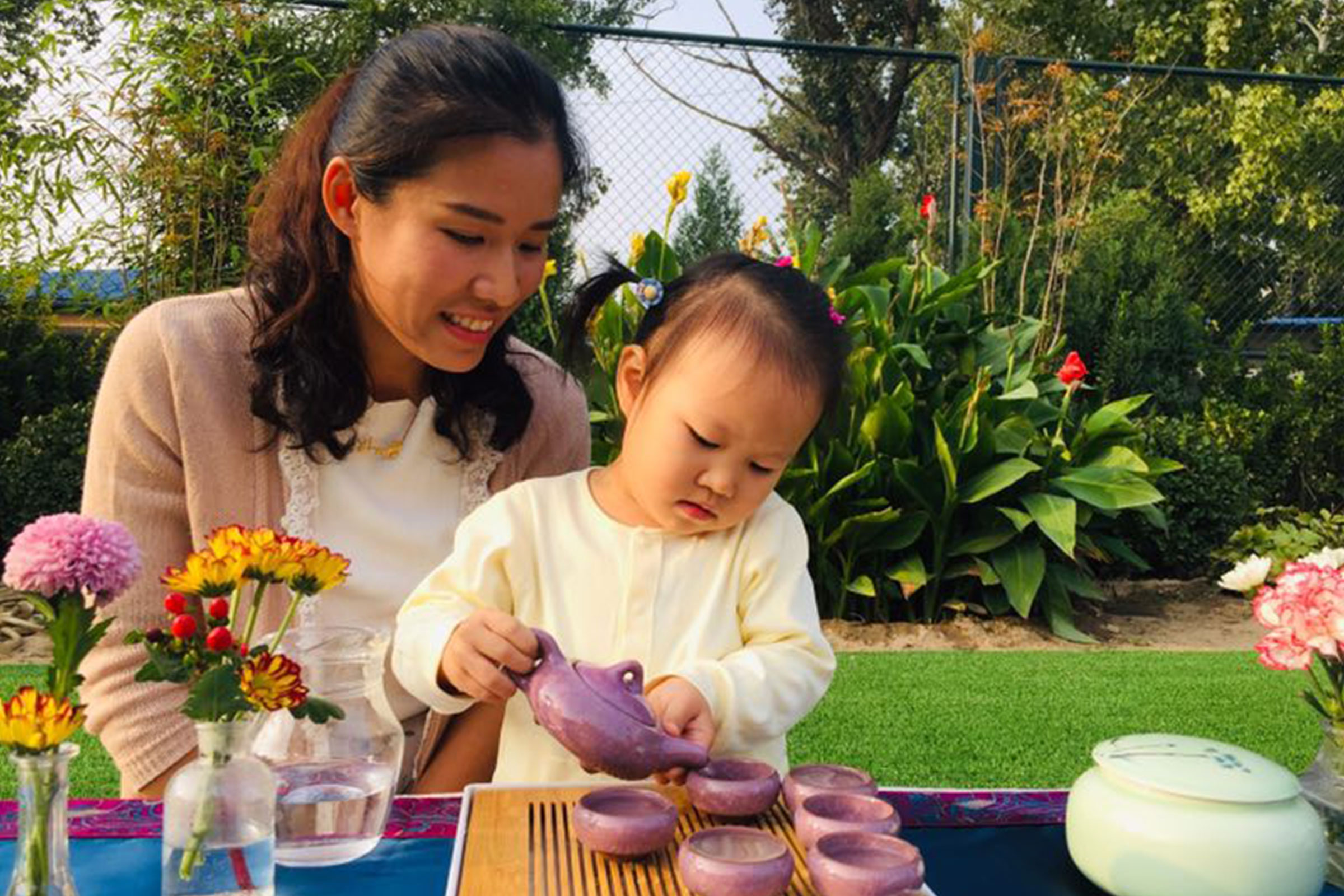
Observation is perhaps the most central aspect of the adult’s role in a Montessori prepared environment. The AMI Diploma courses devote many hours to developing observation skills, for good reason. In addition, a comprehensive review of developmental milestones in all domains fuels an understanding of what to look for when monitoring children’s progress through the work of observation.
Mindful and consistent observation allows the adult to understand each child’s individual needs, interests, and developmental progress. By observing, the adult can identify sensitive periods, recognise emerging skills, and determine when to offer support or intervention. Observation should be objective and non-judgmental, focusing on the child’s actions and interactions within the environment.
Always be observing. Have notepads, clipboards, or whatever works to observe the children consistently. If writing is not available in the moment, make a mental note and record it later. At the end of the day, spend time in reflection. What happened? Who was involved? How, if possible, would you have wanted things to go differently?
One of the widespread comments shared by teachers is that they can’t find the time to observe in the classroom. It's a common challenge for teachers to find time for observation amidst the demands of a busy classroom. Here are some ideas to make observation a more consistent habit and routine.
Schedule short, dedicated observation periods throughout the day. Even 5–10 minutes of focused observation several times a day can yield valuable insights. Treat these periods as non-negotiable appointments. Tag team your observations with other adults. If there are multiple adults in the classroom, create a system where one adult focuses on observation while the other handles the majority of direct interactions with children. This allows for more focused and uninterrupted observation. Utilize transition times to observe the children. Transition times, such as arrival, snack time, or outdoor play, can offer valuable opportunities for observation. While assisting with transitions, teachers can observe children's social interactions, problem-solving skills, and independence.
Another strategy is integrating your observation into your daily routines. Designate a "child of the week" and focus observation efforts on that child. This allows for a more in-depth understanding of individual development and progress. Schedule regular team meetings to discuss observations and share insights. This collaborative approach can provide valuable perspectives and inform classroom practices. Use observation data to inform individual child assessments and parent-teacher conferences.
Another idea is to challenge the perception that being "busy" means there's no time for observation. Reframe observation as an essential part of the teaching process, not an extra task. Recognise that observation is crucial for understanding children's needs and creating a responsive learning environment. Prioritise observation alongside other essential tasks. Start small and build gradually. Don't try to implement all these suggestions at once. Start with one or two strategies and gradually incorporate more as they become habit.
By implementing these tools and suggestions, you can make observation a more consistent and manageable part of your daily routine, even within a busy classroom setting. This will ultimately lead to a deeper understanding of each child's individual needs and a more effective and responsive learning environment.
Most children are developing just fine. But, for some, a few things such as genetics, biology, and what they experience in their environment, can mean they take a little longer to reach certain milestones. Sometimes, you know right away that a baby might develop a little differently, like with Down syndrome or if there were complications during birth that led to something like Cerebral Palsy. But other times, it's not obvious at first. A child might seem to be developing typically, and then they just don't quite hit a major milestone when expected. That's when a developmental delay might be suspected.
It's important to realise that school is often where developmental differences are first spotted. There are a few reasons for this. For one thing, observations may serve as informal developmental screenings. Montessorians are naturally looking at how each child is progressing and are experts in child development, so they are more likely to notice variations compared to parents who might not have that same background. Plus, teachers work with lots of children in the same age group over time, so they become familiar with what's typical and can easily see when something might be different.
When it comes to spotting potential concerns, the most important thing for teachers is to watch for signs or behaviours that pop up regularly and seem to be getting in the way of a child's development or learning. Occasional hiccups in children’s health or behaviour are usually no big deal. But if something keeps happening and it's impacting their progress, that's a red flag. No matter what area of development is concerned, a red flag means it’s time to observe more closely and keep good records. And if the concern sticks around, it's usually time to refer the child for some extra support.
Children develop at their own pace, so it can be tricky to know if a child is on track or if something might be delayed. That's why it's so important for teachers to keep observing how each child is doing and to talk with parents about what they're seeing at home and at school. If teachers notice something that might be a concern, whether through observation or assessment, they need to keep those conversations going with the parents, comparing notes and sharing what they notice. If both are concerned, and the parents agree, then they can follow up with further evaluation.
Schools should explain the observation process and why it is part of the Montessori experience to parents right from the start, during orientation, and then keep talking about it throughout their child's time in the program. Teachers’ observations can sometimes be a lot for parents to take in, especially if there's a potential concern. But if they already know how the process works beforehand, it can make those conversations a lot less stressful. And honestly, if there is already a good, open communication system in place with families, it makes talking about concerns so much easier. When teachers genuinely want parents' input and involvement, it builds trust. And that trust means parents feel comfortable bringing up any questions or worries about their child's development, with both parents and teachers sharing observations and working together to figure things out.
Teachers often have training and experience in infant/toddler development that parents might not have. So, something that seems like a clear concern to a teacher might not even be on a parent's radar. When parents say they haven't noticed the same thing, it's probably because they're coming from a different perspective, not because they're in disagreement.
It can be tough for parents to hear that their child's development might not be exactly where it's "supposed" to be. Instead of pushing a conversation they're not ready for, teachers can gently encourage the parents to get involved in observing their child's development or participating in a screening. It's more important to build a good relationship with parents than to be "right" about concerns about a child's development. Sometimes, it takes hearing the same thing from a few different people before it really sinks in. The first person to mention a concern is important, but they might not be the one who ultimately gets the child the help they need. A supportive relationship makes it much easier to have these conversations later, if necessary. Also, how teachers share the information can make a big difference in how it's received. When talking with families, respect is key. Paying attention to how they're taking in the information and focusing on a shared concern for the child's well-being is what helps move forward together.
Elise Arevalo, AMI 0–3 Trainer