Independence, in general terms, is defined not only as the absence of help, but as “freedom from the control, influence, support, or assistance of others”. For Maria Montessori, independence is the result of natural development and the process of self-construction, through which the child successively reaches different states of independence.
Nature and the Inherent Quest for Independence
The child's intrinsic nature drives them toward functional independence. Unlike other species, whose physical independence is rapid and vital for survival, human independence is a continuous process that encompasses both physical and psychological development throughout life. At birth, the human being is incomplete. The child is born with the potential to become a human being of their time and place. Nature bestows upon them powers that will guide them in this process of self-construction, resulting in the development of different levels of independence.
Human beings are born with immense potential, guided by natural forces toward the process of self-construction and the achievement of independence. The "Absorbent Mind" allows the child to absorb from their environment what is necessary for their development. The "Horme" and "Human Tendencies" drive them to interact with the environment, while the "Sensitive Periods" enhance the development of specific characteristics, contributing to the formation of a complete personality. During the period of the "Psychic Embryo" (approximately from birth to three years), the essential psychic organs are configured: language, movement, intelligence, will, and emotions, which are the foundations of a functionally independent personality.
The Development of Independence from Birth to Three Years
Montessori stated that "the normal child progresses from one conquest of independence to another. All the phenomena of childhood—walking, talking, etc.—are conquests of independence." This path unfolds in stages characterized by physical and psychological changes that lead to new levels of autonomy. Although independence is a lifelong process, this article focuses on the crucial phases from birth to three years.
1. Birth as an Affirmation of Independence
Birth is the first major affirmation of independence. During pregnancy, the physical organs form, complete, and are ready to function autonomously. At birth, the child's body can breathe on their own and no longer needs the mother to digest their food. The newborn is ready to form a new attachment with the environment outside the womb. The initial symbiotic period, through maternal care and handling, is vital for the child to develop basic trust and bond with their surroundings. A strong relationship with the mother at this stage is fundamental for future development, allowing the child to perceive the world as a safe place and be willing to interact with it.
2. Weaning: A Biological and Psychological Path
Weaning is an important stage in advancing independence, as it is both a biological and psychological process. Around five or six months, the child shows signs of being ready to wean, which include biological and psychological aspects, such as an interest in food. Nature guides this process, and the adult should facilitate it. Physically, at the end of this process, the child no longer depends on breast milk as a source of nutrition, as they are ready to eat foods from their environment. Psychologically, their independence grows exponentially. The ability to choose from a variety of foods and receive them in a new way, ideally sitting at the table with their mother, symbolizes a psychological separation. A healthy detachment from the mother fosters a broader social life and greater emotional independence.
3. Movement as a Conquest of Autonomy
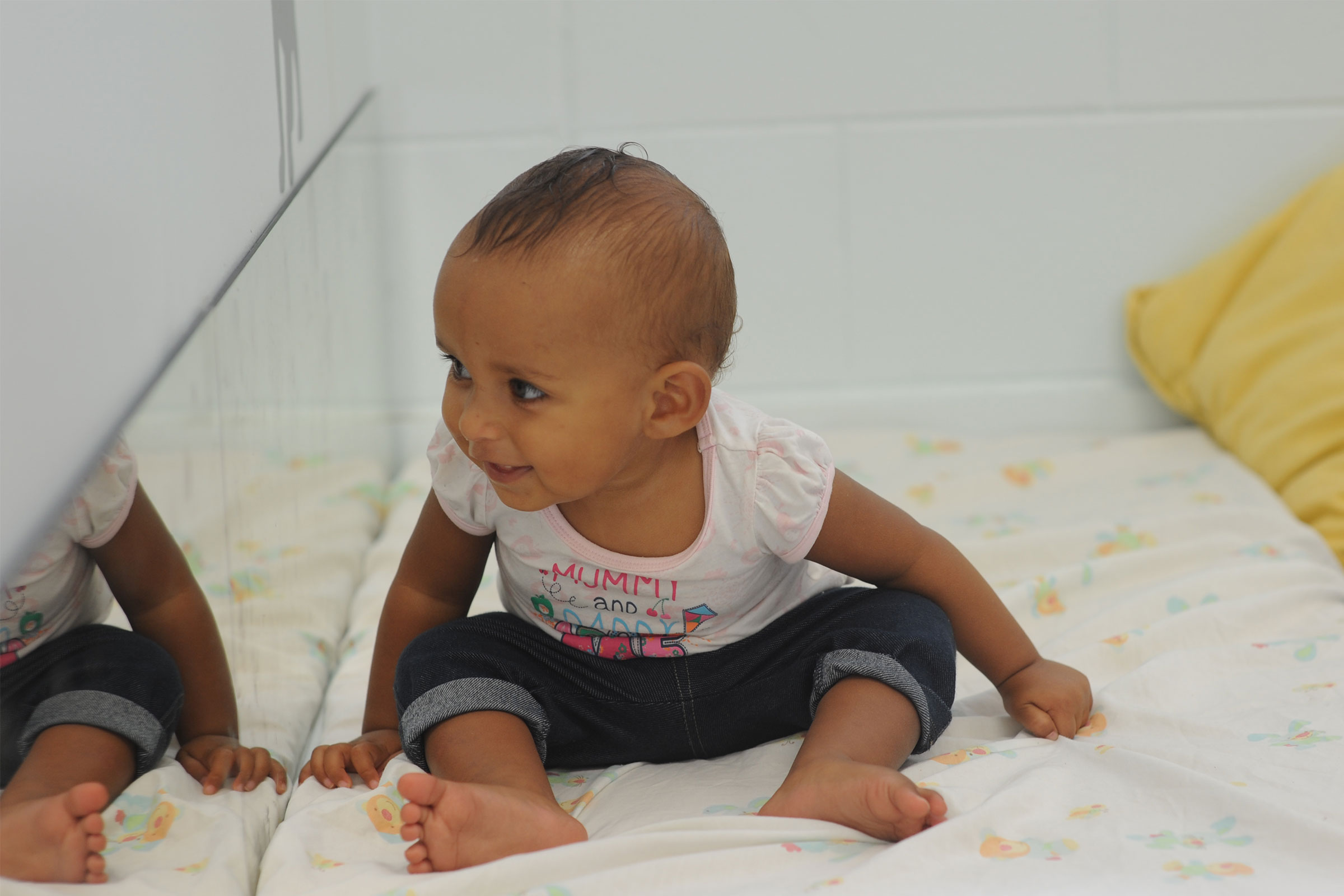
From birth, the child is driven by an internal force to develop their capacity for voluntary movement. The path to walking is marked by milestones that grant the child new levels of independence. Through the development of voluntary movement, the child becomes a master of their body. As myelination progresses and the child interacts with the environment, they are able to lift their head, roll over, crawl, and finally stand, gaining new perspectives of the world and exploring it more thoroughly. The physical and psychological separation from the adult occurs gradually.
Walking is the most obvious indication that the child has gained independence of movement. Physically, it grants them a new level of freedom: they can choose where to go and how to get there independently, thus exercising their autonomy. They can move on their legs while their hands are free to explore, carry objects, and transform the environment. Psychologically, the child gains confidence and greater security in their body. By seeing themselves move like those around them, they develop a new sense of belonging. Walking symbolizes the child's preparation for a more autonomous life and builds the foundation for intellectual independence.
4. Sphincter Control
The sphincters are voluntary muscles that develop like the rest of the body. When the myelination process reaches them, they need to be exercised to be mastered. Being able to control the sphincters and be independent in using the toilet gives the child the power to control their bodily functions, which impacts their physical and psychological independence.
5. Language as a Social and Personal Tool
With the acquisition of language, the child reaches a new level of independence, being able to communicate their feelings, desires, and needs. It is a great step toward autonomy. From the initial cry, the newborn gains new means of communication, learning to point, produce sounds, and use gestures. With each new tool, their independence grows, with speech being the greatest communicative achievement. Before speaking, their internal drive to develop language is evident, imitating the mouth movements of adults. They progress from babbling to their first intentional word. Around 24 months, the "language explosion" occurs, a major milestone that allows them to express their desires and will independently of adults.
Psychologically, the ability to speak gives the child a sense of power and control over their environment and a key to the social world. They can interact more freely and develop a deeper sense of belonging. When they begin to use the pronoun "I," the integration of the ego is evident, marking a moment when they perceive themselves as an entity distinct from adults, achieving psychological independence. Speech helps them build their personal identity, express themselves, and structure their thoughts through concept formation. Throughout their life, children will refine their language skills, increasing their independence.
6. The Self-Assertion Crisis
This crisis demonstrates that the child has taken another significant step toward independence and becoming more human. Also known as the opposition crisis (the "terrible twos"), the child begins to say "no" to requests. Through the practice of saying "no," they seek to have their decisions considered and test the power they have in their environment through choice. They are developing their will, integrating their ego, and becoming psychologically independent. They become an "individual." Overcoming this crisis means that the child can now make decisions and assume responsibilities. Referring to themselves as "I" marks the resolution of this crisis.
The Prepared Environment and the Adult's Role in Independence
The primary objective of the prepared environment is, as far as possible, to make the growing child independent of the adult. This involves providing a place where the child can do things independently, live their own life, without immediate adult assistance. Preparing the environment is crucial for the child's nature to unfold and function, allowing them to absorb what they need to become the person they are destined to be.
This preparation must take place on two levels: physical and non-physical. The adult and the environment must be prepared to meet the child's changing needs at each stage. From birth, the child needs order and routines to establish reference points and freedom of movement to explore. The adult's role is to foster an understanding of the environment, presenting it clearly and allowing for exploration with all the senses. The environment should be rich in real-life experiences, offer freedom within clear boundaries, and provide real choices with natural consequences.
Observation is key for the adult to adequately prepare the environment, identifying and removing obstacles to the development of independence. As the Montessori principle states: "Help me to do it myself." Careful preparation allows the child to strive to their fullest potential in their process of self-construction.
Conclusion
Independence is the result of natural development. Nature provides what is necessary for this development, and therefore, for independence. However, self-construction can only occur through interaction with the environment. In this continuous journey toward independence, the child is guided by the absorbent mind and sensitive periods to "separate" from adults and seek knowledge through working in their environment. This allows them to develop all the physical and non-physical characteristics of an independent human being. At each stage, the adult must recognize each step to prepare for the next stage and provide the best environment for development.
Independence is an inherent part of human nature, so the child has an internal drive that guides them toward it. The adult's role is to facilitate this process, being prepared and creating an environment that allows the child the freedom to develop. "Truly it is nature which affords the child the opportunity to grow; it is nature which bestows independence upon him and guides him to success in achieving his freedom."
Teanny Hurtado V., AMI 0–3 Trainer